Views: 0 Author: Site Editor Publish Time: 2025-12-03 Origin: Site


Choosing the right non-woven fabric production line can make or break your business. With the right machinery, you can enhance production efficiency, reduce costs, and ensure product consistency. However, selecting the wrong equipment can lead to inefficiency and product failure.
In this guide, we will explore the key factors to consider when choosing the best production line for your needs. You’ll learn how to match the right technology with your business goals to maximize ROI and meet market demands.
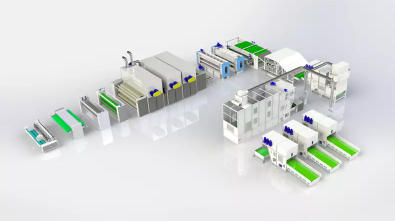
Non-woven fabrics vary based on their production methods, characteristics, and the specific applications they are intended for. Below are some of the most common types of non-woven fabrics, each designed for a particular set of uses and product requirements:
Spunbond: Created by spinning fibers and bonding them through heat and pressure, spunbond fabrics are widely used in hygiene products like diapers, feminine care items, as well as in geotextiles for soil stabilization and drainage.
Meltblown: Known for its fine fiber structure, meltblown fabric is commonly used in high-filtration products such as face masks, air filters, and protective clothing due to its ability to trap particles and provide excellent filtration.
Needle-Punched: These fabrics are made by mechanically entangling fibers through a needle-punching process. Needle-punched fabrics are typically used in products like synthetic leather, carpet backing, and industrial cleaning cloths, offering great durability.
Thermally Bonded: These fabrics are produced using heat to bond fibers together, making them ideal for soft and absorbent products like wet wipes, hygiene cores, and medical pads. The thermal bonding process provides a clean and consistent fabric surface.
Composite Fabrics (e.g., SMS): These combine multiple layers of non-woven fabric, such as in SMS (Spunbond-Meltblown-Spunbond), which is often used in medical protective gear, including surgical gowns and masks. The combination of layers enhances strength and durability while maintaining breathability.
| Fabric Type | Properties | Common Applications |
|---|---|---|
| Spunbond | Lightweight, breathable, durable | Diapers, feminine care, geotextiles |
| Meltblown | Fine fibers, excellent filtration | Face masks, air filters, protective clothing |
| Needle-Punched | Durable, mechanical entanglement | Synthetic leather, carpet backing, cleaning cloths |
| Thermally Bonded | Soft, absorbent, clean surface | Wet wipes, hygiene cores, medical pads |
| Composite (SMS) | Multiple layers, breathable, strong | Surgical gowns, medical masks, protective gear |
Non-woven fabrics are highly versatile and are used in a wide variety of industries for different applications. Here are some of the key examples:
Hygiene Products: Non-woven fabrics are widely used in products like diapers, adult incontinence products, feminine hygiene items, and various types of wipes. These fabrics provide the necessary softness, absorbency, and comfort required for personal care products.
Medical Supplies: Non-woven fabrics play a vital role in the production of face masks, surgical gowns, medical pads, sterilization wraps, and other protective gear. They offer high filtration efficiency, durability, and hygiene, making them crucial in healthcare settings.
Geotextiles: Used extensively in construction, geotextiles help with soil stabilization, drainage, and erosion control. Non-woven fabrics are a cost-effective solution for reinforcing roads, railway tracks, and foundations.
Household Products: Non-woven fabrics are also commonly used in cleaning products like household wipes, cleaning cloths, and other disposable products designed for domestic use. These fabrics offer high absorbency and durability for various cleaning tasks.
When selecting a non-woven fabric production line, it is essential to choose one that matches the specific requirements of the product you aim to produce. Each fabric type serves different applications, and choosing the right one will ensure optimal production and product quality, while reducing the risk of producing substandard or ineffective materials.
When selecting a non-woven fabric production line, understanding your product’s requirements is key. Are you producing soft and absorbent wipes, durable geotextiles, or filtration products? Each type of non-woven fabric has unique properties that make it suitable for specific applications.
For example, spunbond is often chosen for hygiene products because of its lightweight and breathable nature, which is essential for creating comfortable products like diapers and sanitary napkins. On the other hand, meltblown is the ideal choice for high-filtration products due to its ability to trap tiny particles, making it the perfect material for face masks and air filters.
Selecting the appropriate fabric type directly impacts the production process and the machinery configuration required. Therefore, aligning your production line choice with your product needs will streamline production and enhance overall efficiency. Furthermore, it ensures that the final product meets all required quality standards and market expectations.
The raw materials used in non-woven fabric production lines can significantly affect the fabric’s properties and the efficiency of production. Common raw materials include:
Polypropylene (PP): Widely used for spunbond fabrics due to its excellent strength-to-weight ratio and cost-effectiveness.
Polyethylene (PE) and Polyester (PET): These are commonly used for geotextiles, filtration materials, and other applications where durability and resistance to chemicals are essential.
Natural Fibers: Some manufacturers may choose natural fibers such as cotton or bamboo for eco-friendly products. These materials can be used in various types of non-woven fabric production and provide an environmentally sustainable alternative.
It is essential to ensure that your chosen production line is compatible with the raw materials you intend to use. Different types of raw materials require different types of machines, settings, and processes. Compatibility with the raw material will ultimately affect the efficiency of your production line, as well as the quality and durability of the final product.
| Raw Material | Key Properties | Suitable Fabric Types |
|---|---|---|
| Polypropylene (PP) | Lightweight, cost-effective, durable | Spunbond, meltblown |
| Polyethylene (PE) | Chemical resistance, flexibility | Geotextiles, filtration fabrics |
| Polyester (PET) | Strong, resistant to chemicals | Geotextiles, industrial fabrics |
| Natural Fibers | Eco-friendly, biodegradable | Eco-friendly non-woven fabrics (e.g., cotton, bamboo) |
Your production line should align with your target market to ensure that the machinery meets both current and future production demands. For instance, producing medical-grade products requires higher standards for consistency and quality. Defining your target market early helps ensure that the chosen production line is suited for the specific needs of your industry, whether medical, hygiene, or industrial.
Matching the production line’s capabilities with the market and product specifications is a key step to avoid over-investing in unnecessary features or underestimating production demands. By aligning your machinery selection with both product requirements and market conditions, you can optimize your production process and reduce unnecessary costs.
The production line’s capacity and throughput should align with your business goals. If you’re targeting mass production in a high-demand market, a high-capacity, high-speed production line is necessary. Conversely, smaller-scale operations may only require a basic production line that doesn’t need to operate at maximum speed.
Consider output in terms of tonnes per hour (t/h) or kilograms per hour (kg/h). Make sure the production line can meet your projected demand for the next 3-5 years while leaving room for growth. Properly calculating the required output helps ensure that the line operates efficiently, minimizes idle time, and allows for quick adaptation to changing market conditions.
The width of the production line plays a crucial role in determining how much fabric can be produced per hour. Wider lines (3-7 meters) allow for higher output but require more space and a larger initial investment. Narrower lines, while more cost-effective, produce less fabric per hour.
Choosing the right width depends on your available factory space and the scale of production required. A production line that is too wide for your needs can lead to inefficiencies, while a line that is too narrow may not be able to meet your demand. Striking the right balance is essential for cost-effective production.
Automation plays a key role in improving operational efficiency in non-woven fabric production lines. Automated systems reduce labor costs, improve product consistency, and enhance overall throughput. Automated lines ensure uniform fabric quality, which is essential for industries such as medical textiles and hygiene products, where consistency is critical.
By automating critical stages in the production process, you reduce the risk of human error, lower the chance of production delays, and increase the overall speed and consistency of output. Automation also contributes to higher product quality, reducing the need for manual inspections and adjustments.
The process of web forming is vital in determining the final fabric quality. Spunbond, for instance, uses continuous filaments to form a web, while needle-punched fabrics are created by entangling fibers. The choice of bonding technology—whether thermal bonding, needle punching, or chemical bonding—also plays a key role in fabric strength, texture, and durability.
Choosing the appropriate bonding technology is essential for achieving the desired properties in the final product. Whether you require a soft, flexible material or a durable, strong fabric, selecting the right bonding method ensures that the final product performs well in its intended application.
The extruder and spinnerets are crucial for producing high-quality, consistent filaments. High-quality extruders ensure that the material is fed consistently into the spinneret, where it is formed into filaments. The design of the spinneret, along with cooling systems, will impact the final filament quality and the overall strength of the fabric.
It is essential to evaluate these components carefully when choosing a production line to avoid production defects and ensure uniformity in the final product. Inconsistent filaments can lead to weak or uneven fabric, which may result in product defects or a failure to meet required standards.
Durability of key machine components such as the extruder, spinnerets, and bonding units is essential for long-term success. High-quality components reduce downtime, maintenance costs, and the risk of production stoppages. Investing in high-quality, durable components ensures fewer breakdowns and a longer machine lifespan, ultimately improving the overall cost-effectiveness of the production line.
Choosing a production line with reliable, durable components ensures that the equipment remains operational for longer periods, maximizing your investment and reducing overall maintenance costs.
A reputable supplier provides strong technical support and comprehensive training to ensure smooth installation and optimal machine operation. Proper training will enable your team to operate the machinery efficiently, troubleshoot problems, and minimize downtime.
Training is critical to optimizing machine use, troubleshooting issues, and maintaining high production standards. Without proper training, even the best machinery can fall short of expectations.
A reliable spare parts supply and local service support network are vital for minimizing downtime. Ensure that the supplier offers fast access to critical parts and has service engineers available in your region to address maintenance needs promptly.
The ability to quickly resolve issues and access necessary parts can significantly reduce the impact of unexpected breakdowns, ensuring that your production line remains operational and efficient.
Before making a decision, always request supplier references and case studies to verify their credibility. A supplier with a proven track record in delivering high-performance non-woven fabric production lines will be more reliable and trustworthy.
Supplier references offer insight into the quality of machinery, the effectiveness of customer service, and the supplier’s ability to meet specific production requirements. Case studies from other businesses that have used similar production lines can provide real-world proof of the supplier’s capabilities.
When choosing a supplier for your non-woven fabric production line, it's crucial to select one with a solid reputation and strong after-sales support. A reliable supplier ensures smooth installation, training, and ongoing service to maximize production efficiency.
Changshu Weicheng Nonwoven Equipment Co., Ltd. offers exceptional technical support and customer service, ensuring that your production line runs at peak performance throughout its lifecycle.
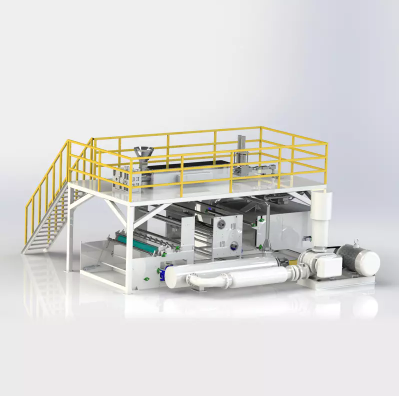
The total cost of ownership (TCO) involves not only the purchase price but also installation, maintenance, energy consumption, raw materials, labor, and ongoing costs. By calculating TCO, you’ll have a clearer picture of the long-term financial impact of your investment.
Understanding these costs helps in making an informed decision and ensures that the line remains cost-effective over its lifespan. It also helps you plan for future expenses and avoid surprises that may impact your bottom line.
Investing in energy-efficient machinery can result in significant cost savings in the long run. Although the initial cost may be higher, energy-efficient machines reduce operational costs by lowering electricity and fuel consumption, improving overall profitability. The savings in energy costs will continue over the entire life cycle of the machine, making it a sound long-term investment.
Focusing on energy efficiency can also improve your company’s sustainability by reducing its environmental footprint, which can be an important selling point for environmentally-conscious customers.
Explore various financing options available for purchasing the production line. Evaluate ROI projections by considering production capacity, savings on operational costs, and long-term profitability. A solid ROI calculation will help justify the initial investment and ensure the production line pays for itself over time.
Ensure that your factory has adequate space to accommodate the production line. Consider factors such as layout, raw material storage, finished goods storage, and future scalability. Proper planning will prevent costly disruptions during installation and help avoid delays or mistakes.
Make sure your facility meets the required power, air, and water demands for the production line. Additionally, ensure that your production process complies with environmental regulations to avoid potential legal issues. Non-compliance can lead to fines and production delays, which can significantly impact your bottom line.
Ensure the production line complies with international safety standards, such as CE certification. This guarantees safe operation and ensures that the machinery meets the required quality and safety benchmarks.
Choosing the right non-woven fabric production line requires a deep understanding of your product’s needs and production goals. By evaluating fabric types, machinery, and financial considerations, you can make a decision that ensures long-term success. Selecting a reliable supplier with strong after-sales support and energy-efficient machinery is key to protecting your investment. This approach will keep your business competitive and profitable over time. Balancing short-term costs with long-term benefits ensures your chosen production line supports scalability and profitability in the future.
Changshu Weicheng Nonwoven Equipment Co., Ltd. offers advanced machinery that maximizes production efficiency and reduces operational costs. Their products provide exceptional value with energy-efficient, durable equipment backed by excellent customer service.
A: A non-woven fabric production line is a set of machinery used to produce fabrics without weaving or knitting. These lines use various processes like spunbond, meltblown, and needle-punching to create fabrics used in industries like hygiene, medical supplies, and geotextiles.
A: When selecting a non-woven fabric production line, consider factors such as the fabric type, production capacity, raw material compatibility, and your business’s specific needs. It’s important to align your production line choice with your product goals for long-term success.
A: Automation in a non-woven fabric production line increases efficiency, reduces labor costs, and ensures consistent fabric quality. Automated lines help meet high-volume production requirements while maintaining precision and reducing human error.
A: Energy-efficient non-woven fabric production lines lower operational costs, reduce energy consumption, and improve sustainability. While the initial investment might be higher, the long-term savings on energy bills can provide a significant return on investment.
A: The cost of a non-woven fabric production line varies based on its width, capacity, and features. Prices typically range from $50,000 to over $400,000, depending on the complexity and scale of the machinery.