Views: 0 Author: Site Editor Publish Time: 2025-12-01 Origin: Site


Choosing the right non-woven fabric production line can make or break your business. A poor decision can lead to production delays, increased costs, and substandard products.
In this article, we will discuss key factors to consider when selecting a manufacturer for your production line. You'll learn how to make an informed decision that aligns with your goals and enhances efficiency.
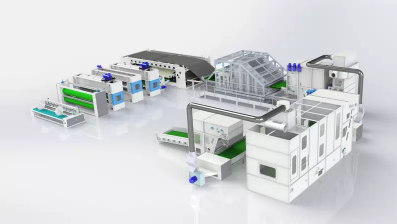
The first step in choosing the right manufacturer is understanding the type of non-woven fabric you need to produce. There are several types of non-woven fabrics, each serving different functions and industries. Some common types include:
Spunbond: Ideal for hygiene products like diapers, feminine care, and surgical drapes. Spunbond fabric is created by bonding continuous filaments through a process of extrusion and spinning.
Meltblown: Used in applications that require high filtration, such as medical face masks, air filters, and oil absorbents. This fabric is made by forcing molten polymer through small nozzles, forming microfibers.
Needle-punched: Perfect for geotextiles, synthetic leather, carpet backing, and insulation materials. Needle-punched fabrics are formed by entangling fibers through mechanical needles to create dense, durable material.
Thermal bonded: Best for soft products like wipes, hygiene cores, and insulation. This fabric uses heat and pressure to bond fibers together without the use of adhesives.
Each type of fabric requires different machinery and manufacturing processes, so be clear about the product you intend to produce. This clarity will help you select the right equipment that meets both your technical and commercial needs. Understanding these fabric types will also guide you in assessing the technological capabilities of your potential manufacturer.
| Fabric Type | Main Applications | Characteristics |
|---|---|---|
| Spunbond | Hygiene products (diapers, feminine care), surgical drapes | Continuous filaments, lightweight |
| Meltblown | Medical face masks, air filters, oil absorbents | Fine microfibers, high filtration |
| Needle-punched | Geotextiles, synthetic leather, carpet backing, insulation | Dense, durable, entangled fibers |
| Thermal bonded | Wipes, hygiene cores, insulation | Heat and pressure bonding, soft texture |
Once the fabric type is defined, the next step is identifying the materials required for production. Non-woven fabric can be made from a variety of materials, including:
Polypropylene (PP): Commonly used for spunbond fabrics due to its low cost, strength, and versatility. It is used in disposable hygiene products, medical applications, and construction.
Polyester (PET): Often used for high-strength fabrics, ideal for applications like automotive, geotextiles, and filtration.
Natural fibers: Such as coconut coir, cotton, and jute, for eco-friendly options. Natural fibers are gaining popularity for their biodegradability and sustainability.
It’s essential to choose a manufacturer that offers machines compatible with your chosen materials. The material influences the machinery’s extruder design, bonding technology, and the overall production process. For instance, polypropylene requires different processing techniques compared to polyester. Be sure to check the manufacturer’s material compatibility before moving forward to ensure their machinery will work efficiently with the materials you plan to use.
| Material | Common Uses | Characteristics |
|---|---|---|
| Polypropylene (PP) | Spunbond fabrics, hygiene products, medical applications | Low cost, strong, versatile |
| Polyester (PET) | Automotive, filtration, geotextiles | High strength, durable |
| Natural Fibers | Eco-friendly products, biodegradable options | Sustainable, biodegradable |
Whether you are targeting a small niche market or mass production, understanding your required output capacity is critical for selecting the appropriate production line. Production scales can vary greatly, and selecting a machine that suits your output needs is vital to avoiding inefficiencies and costly upgrades down the line. Consider the following when evaluating your production scale:
Small-scale production: If your business targets a specific market, a smaller line with lower output capacity may suffice. These smaller lines are typically more cost-effective but may have slower production speeds and limited customization.
Large-scale production: A high-capacity line is necessary for mass production, especially for industries like healthcare, automotive, or construction. High-output lines often require more investment but can meet large order volumes with high efficiency.
Work closely with the manufacturer to ensure their equipment matches your anticipated output and production scale. This step will help ensure that you don’t overinvest in machinery that’s too large for your needs or underinvest in equipment that can’t meet your future demands.
| Scale of Production | Suitable Equipment | Characteristics |
|---|---|---|
| Small-Scale | Smaller, lower output lines | Lower cost, slower speed |
| Large-Scale | High-capacity, high-output lines | Higher investment, higher efficiency |
Experience is one of the most important factors to consider when selecting a non-woven fabric production line manufacturer. Manufacturers with years of experience have encountered a wide variety of challenges, developed solutions, and refined their processes over time. This experience translates to higher-quality products and smoother production processes. Additionally, manufacturers with a strong industry specialization in non-woven fabric production are more likely to:
Have in-depth knowledge of material properties and processing techniques.
Be familiar with specific customer needs and applications, ensuring better solutions for your unique requirements.
Look for manufacturers who specialize in your fabric type or industry. For example, a manufacturer that specializes in medical-grade fabrics will have more experience with stringent quality control and certifications than one that primarily serves the automotive industry.
Certifications like ISO 9001 are essential indicators of a manufacturer’s commitment to quality. Non-woven fabric production is a complex process, and maintaining consistent quality is vital for producing reliable and safe products. Quality control is critical, as even small variations in the fabric’s properties can affect its performance. Ensure the manufacturer has rigorous quality control procedures in place, such as:
Testing for raw material quality before production.
Regular in-process inspections during production to identify potential defects.
Post-production testing to ensure the final product meets industry standards.
Certifications such as ISO 14001 (environmental management) and OEKO-TEX Standard 100 (toxin-free certification) may also be important, depending on your product requirements. These certifications indicate that the manufacturer follows international standards for sustainability and safety.
Understanding a manufacturer’s production capacity and lead times is crucial for meeting deadlines and managing customer expectations. Delays in production can have a cascading effect on your entire supply chain. Inquire about:
Production capacity: Can the manufacturer meet your required volume?
Lead times: What are their typical turnaround times for production and delivery? Ensure their lead times align with your project timelines.
Inventory management: Does the manufacturer keep stock of commonly ordered items to expedite delivery? This is especially important if you need frequent orders or customized products.
Ensure that their production times and capacity are sufficient for your project requirements, and confirm they can handle any fluctuations in demand. This step will help avoid potential delays that could affect your business operations.
| Factor | What to Look For |
|---|---|
| Experience | Years in the industry, specific fabric expertise |
| Certifications | ISO 9001, ISO 14001, OEKO-TEX Standard 100 |
| Production Capacity | Ability to meet your volume and delivery deadlines |
| Customization Options | Ability to adapt machinery to your specific needs |
| After-Sales Support | Spare parts availability, technical support |
| Energy Efficiency | Low operating costs, energy-efficient machines |
Customization is a key advantage when selecting a non-woven fabric production line manufacturer. The right manufacturer should be able to adapt their machines to produce the specific material, weight, size, and thickness you need. Some manufacturers specialize in customized solutions, while others offer more standardized machines. Be sure to discuss your specific requirements:
Material variations: Ensure they can work with your desired polymer or fiber. A manufacturer that offers a broad range of material options can give you flexibility in your product offerings.
Specifications: Confirm that they can produce fabrics of the desired size, thickness, and weight. Customizing these specifications ensures the final product meets your end-use application.
Manufacturers that offer flexible options for materials and specifications give you the opportunity to produce unique products tailored to your business’s needs.
If your end product requires specific colors, prints, or treatments (e.g., water resistance, fire retardancy), make sure the manufacturer offers these options. Some manufacturers can incorporate a variety of surface treatments to meet industry standards, while others may provide additional finishing options like:
Dyeing: Ensure the manufacturer can handle custom colors or special dyeing processes.
Surface treatments: Check for options like water resistance, UV protection, or antimicrobial treatments. These features are important for industries like medical products, hygiene products, and outdoor applications.
Customization of these finishing touches can make your product more versatile and meet specific market demands.
Special production techniques may be necessary for unique applications. This can include custom fabric blends, specific bonding methods, or high-precision machinery. If your product requires these, ensure the manufacturer has the expertise and equipment to accommodate such needs. A manufacturer’s ability to handle specialized production techniques can set them apart from others in the industry and provide a competitive advantage.
A manufacturer’s reputation can provide valuable insight into the quality of their products and services. Research customer testimonials, case studies, and independent reviews to gauge their track record. A supplier with a history of delivering high-quality products and services is more likely to provide a positive experience.
Don’t hesitate to request references from past clients to hear firsthand about their experiences working with the manufacturer. A reliable manufacturer will be proud of their work and willing to share success stories.
Reliable after-sales support is essential for long-term success. Ensure that the manufacturer can provide the following:
Spare parts availability: Can they supply critical spare parts quickly to minimize downtime?
Technical support: Will they provide installation, training, and troubleshooting support? This support is especially important during the early stages of setting up the production line.
Inquire about their warranty terms and ongoing support options to avoid future headaches. A manufacturer that offers strong after-sales support can help ensure that your production line remains operational and efficient throughout its life cycle.
The right manufacturer should offer comprehensive training for your operators and clear documentation for equipment use and maintenance. This ensures smooth operations, reduces the risk of errors, and minimizes downtime caused by operator mistakes or machine malfunctions.
When considering the cost of a non-woven fabric production line, focus on the total cost of ownership (TCO). This includes:
Initial purchase price: While important, it’s only one part of the equation.
Installation and setup costs: Often overlooked, these costs can add up quickly.
Ongoing maintenance and energy consumption: Energy-efficient machines and cost-effective maintenance plans can save significant amounts of money in the long run.
Raw material and labor costs: The cost of raw materials and labor can fluctuate, affecting overall profitability.
Choosing the cheapest option may not always be the best. Evaluate the long-term costs to ensure you get the best value for your investment. A low-cost machine may incur higher operational or maintenance costs, making it less economical in the long run.
Energy-efficient machinery may have a higher initial cost but offers long-term savings by reducing energy consumption and operational costs. Consider this when selecting equipment, as it can greatly impact your ROI over the lifespan of the machine. For example, machines with better insulation or those that optimize energy use can significantly lower your electricity bills.
Some manufacturers offer financing options to ease the initial financial burden. Be sure to inquire about financing plans and payment terms that best suit your cash flow situation. Flexible payment options can help you manage costs effectively, allowing you to invest in quality machinery without straining your budget.
While price is an important factor, focusing solely on the lowest price can lead to poor-quality products and long-term costs. Cheap machines often have hidden expenses such as high maintenance costs, inefficient energy use, and low-quality output. Opting for a low-priced option may save money upfront but result in higher expenses over time.
Failing to consider lead times and delivery schedules can cause delays in production, which could lead to unmet customer expectations and lost sales. Always inquire about lead times and confirm that the manufacturer can meet your deadlines. Missing deadlines can harm your reputation and cause significant disruptions in your supply chain.
Never overlook the importance of thorough testing and quality assurance. Ensure that the manufacturer conducts rigorous testing on both raw materials and finished products to guarantee consistency and quality. Products that don’t meet quality standards can result in returns, product recalls, and damage to your brand’s reputation.
Selecting the right non-woven fabric production line manufacturer is essential for business success. Focus on manufacturers with experience, expertise, and strong reputations in your fabric type. Prioritize quality certifications, after-sales support, and customizable machinery. Additionally, evaluate total cost of ownership and ensure production capacity aligns with your goals.
By considering these factors, you can establish a long-term partnership with a manufacturer that enhances growth and ensures high-quality products. Changshu Weicheng Nonwoven Equipment Co., Ltd. offers a variety of reliable production lines that provide value, efficiency, and customization, helping businesses meet their fabric production needs.
A: Key factors include the type of fabric you need, material compatibility, production scale, customization options, and the manufacturer's experience. Always assess their quality control measures, certifications, and after-sales support.
A: Production capacity ensures that the equipment can meet your required output volume. Choosing the right production line will help you avoid inefficiencies, downtime, and future investment in upgrades.
A: Changshu Weicheng offers high-quality, customizable non-woven fabric production lines with reliable after-sales support and strong industry expertise. Their equipment is designed to maximize efficiency and meet specific customer needs.
A: Material selection depends on the fabric type and the end product's requirements. Ensure the production line is compatible with the materials you plan to use, such as polypropylene or polyester, to ensure smooth production.
A: Common issues include inconsistent fabric quality, production delays, and machine malfunctions. Regular maintenance and selecting a reliable manufacturer with strong support can help mitigate these problems.
A: Assess your production goals, material types, and fabric requirements. Work with a manufacturer who offers customizable machines and has expertise in your specific industry to ensure the production line meets your demands.