Views: 0 Author: Site Editor Publish Time: 2025-11-30 Origin: Site


Non-woven fabrics are everywhere, from medical products to agricultural applications. But how are these versatile materials made?
In this article, we explore the main applications of Non-Woven Fabric Production Lines. You’ll learn how these production lines help create high-performance materials for industries like healthcare, hygiene, and construction. By the end, you’ll understand the importance of these lines in producing cost-effective, customized fabrics for modern-day needs.

Non-woven fabric production lines convert raw fibers into high-performance fabrics through a series of steps. The process begins by feeding fibers like polypropylene, polyester, or cellulose into the system. These fibers may come as pellets, filaments, or staple fibers, depending on the fabric type.
The fibers are then laid into a web using techniques such as carding, air laying, or spunbonding. Next, the fibers are bonded together through methods like needle punching, heat bonding, or chemical bonding. Finally, the fabric undergoes finishing processes like calendaring or coating to improve properties such as smoothness, water resistance, and durability.
The machinery in a non-woven fabric production line is crucial for producing high-quality fabrics efficiently. Key components include:
Fiber feeding system: Introduces raw fibers into the line, either from bales or pellets.
Web formation unit: Lays the fibers into a web using carding, air laying, or spunbonding techniques.
Bonding machines: Uses mechanical, chemical, or thermal methods to bond the fibers together.
Finishing equipment: Applies calendaring, embossing, or coating to enhance fabric properties.
Each of these components contributes to the quality, consistency, and speed of fabric production.
| Non-Woven Fabric Type | Production Method | Key Properties | Common Applications |
|---|---|---|---|
| Spunbond | Spunbonding | Lightweight, durable, breathable | Medical gowns, filters, hygiene products |
| Meltblown | Meltblown | Fine porosity, high filtration | Air, water, and oil filtration systems |
| Needlepunch | Needle punching | Strong, abrasion-resistant | Automotive, insulation, geotextiles |
| Airlaid | Airlaying | Soft, absorbent | Wipes, baby diapers, sanitary pads |
Technology has improved non-woven fabric production lines, with automation playing a key role in streamlining processes. Automated systems monitor and adjust parameters in real time, ensuring fabric quality and reducing errors. Additionally, AI helps optimize production and predict maintenance needs, while improved fiber feeding systems increase speed without compromising quality.
The healthcare sector makes extensive use of non-woven fabrics, where they are used to create medical products such as surgical gowns, masks, and wound care dressings. These fabrics provide important benefits, including breathability, comfort, and barrier properties that help to prevent infections.
Non-woven fabrics are especially useful in the production of disposable surgical gowns, which are lightweight and breathable but also impermeable to liquids, providing protection for both patients and healthcare workers. Additionally, these materials are used in wound care, where they offer absorbency and non-abrasiveness, promoting faster healing while keeping the wound clean and protected.
Non-woven fabrics are a key component in a wide range of hygiene and personal care products. These include baby diapers, sanitary napkins, adult incontinence products, and wet wipes. The unique properties of non-woven fabrics—such as softness, absorbency, and comfort—make them an ideal material for personal hygiene applications.
For example, non-woven fabrics in baby diapers help quickly absorb moisture, ensuring the baby remains dry and comfortable. Similarly, in feminine hygiene products, non-woven materials maintain dryness and comfort, minimizing irritation and ensuring maximum absorbency.
In agriculture, non-woven fabrics are used in several applications, including crop protection, weed control, and erosion prevention. These materials are lightweight, breathable, and water-permeable, making them ideal for protecting crops from adverse weather conditions and pests.
For instance, non-woven crop covers can shield plants from frost, excessive heat, or heavy rains, thereby extending the growing season. These fabrics also serve as geotextiles in soil management, where they help with drainage, prevent erosion, and improve root protection.
Tip: Non-woven fabrics' versatility in agriculture offers sustainable solutions for improving crop yields while reducing environmental impacts associated with traditional farming methods.
Non-woven fabrics are essential in the medical field for manufacturing a wide range of disposable products. These materials are commonly used for surgical gowns, masks, drapes, and bandages. Their ability to provide an effective barrier against contaminants while remaining breathable makes them invaluable for infection control in medical settings. Surgical gowns, for example, are made from non-woven fabrics to ensure that medical professionals are protected from bodily fluids and pathogens during surgeries. These fabrics are lightweight, which enhances comfort for medical staff, yet they offer full protection, which is crucial for maintaining sterile environments. Non-woven fabrics are also used in bandages and wound dressings due to their ability to absorb exudates and facilitate proper healing by preventing infection and providing a non-abrasive surface against the skin.
Non-woven fabrics are widely used in hygiene products, such as diapers, sanitary pads, adult incontinence products, and wet wipes. These products benefit from the softness and high absorbency of non-woven materials, which are designed to keep skin dry and prevent irritation. In baby diapers, non-woven fabrics are commonly used in the top sheet layer, where they ensure rapid moisture absorption, keeping the baby dry and comfortable throughout the day. The flexibility of non-woven fabric production lines allows for customization based on specific needs, such as adding moisture-locking capabilities or incorporating antimicrobial treatments to prevent the growth of bacteria. Additionally, non-woven fabrics are a key material in the production of personal care wipes, where their absorbency and strength are critical for providing effective and hygienic cleaning solutions. These materials help maintain comfort and hygiene, which are essential for users in daily life.
Non-woven fabrics offer significant advantages in agricultural and environmental applications. In agriculture, these materials are used for crop protection by creating lightweight, breathable covers that shield plants from extreme weather conditions, such as frost or excessive heat. These fabrics help extend the growing season and improve crop yield by maintaining optimal conditions for plant growth. Additionally, non-woven fabrics are used in weed control and soil erosion prevention. As geotextiles, they are used to reinforce soil, prevent erosion, and improve water drainage in agricultural settings, ensuring healthier crops and more sustainable farming practices. Non-woven geotextiles are also widely used in civil engineering, particularly in road construction, where they help stabilize the ground, control sediment movement, and improve the overall durability of infrastructure. Their versatility in both agriculture and civil engineering makes them indispensable for improving environmental sustainability and enhancing agricultural productivity.
| Industry | Main Applications | Fabric Type |
|---|---|---|
| Healthcare | Surgical gowns, masks, wound care dressings | Spunbond, Meltblown |
| Hygiene | Diapers, sanitary pads, adult incontinence products | Spunbond, Airlaid |
| Agriculture | Crop protection, soil management, geotextiles | Spunbond, Needlepunched |
| Environmental Protection | Filtration, wastewater treatment | Meltblown, Needlepunch |
| Construction | Insulation, geotextiles, roofing materials | Needlepunched, Spunbond |
Non-woven fabrics are increasingly used in filtration applications across multiple industries due to their fine porosity and excellent filtration properties. These materials are ideal for water, air, and oil filtration systems, where their ability to trap contaminants while allowing fluids or gases to flow freely is essential. In the automotive industry, non-woven fabrics are used in air filters to capture dust, pollutants, and harmful particles from the air entering the vehicle's engine. Similarly, in beverage production, non-woven filtration materials help ensure the purity of liquids by removing particulates, ensuring product quality and safety. In environmental protection, non-woven fabrics are used in water treatment facilities to filter out contaminants, contributing to cleaner water and reducing the environmental impact of industrial waste. Their ability to perform in various filtration systems makes non-woven fabrics a vital component in improving air and water quality across industries.
In the construction industry, non-woven fabrics are used in a range of building materials due to their properties of thermal insulation, moisture resistance, and soundproofing. Non-woven geotextiles, for example, are used in road construction projects to improve soil stability, enhance drainage, and prevent erosion. These materials play a key role in maintaining the durability and integrity of infrastructure projects. Additionally, non-woven fabrics are incorporated into roofing materials, where they act as barriers to water, preventing leaks and damage to buildings. In insulation products, non-woven fabrics contribute to better thermal resistance, reducing energy consumption by enhancing a building's ability to retain heat or cool air. They are also used in acoustic insulation to minimize sound transmission between rooms, contributing to a more comfortable and quieter living or working environment. These applications showcase the versatility of non-woven fabrics in enhancing the performance and longevity of construction materials.
As sustainability becomes an increasing priority across industries, the demand for eco-friendly non-woven fabrics has grown. Non-woven fabrics made from renewable fibers, such as cotton, hemp, or biodegradable polymers, offer an environmentally responsible alternative to traditional synthetic materials. These fabrics can be used in a wide range of products, from eco-friendly packaging to disposable hygiene items. The ability to produce biodegradable non-woven fabrics has had a significant impact on reducing the environmental footprint of disposable products. In addition to their biodegradability, these fabrics often come from sustainable sources, reducing the reliance on petroleum-based materials and contributing to a circular economy. Manufacturers are increasingly incorporating these eco-friendly materials into their production lines, offering products that are both high-performing and environmentally conscious. This shift towards sustainable materials aligns with global trends in environmental responsibility and consumer preference for greener options.
| Industry | Non-Woven Fabric Application | Benefits |
|---|---|---|
| Filtration | Water, air, and oil filtration | High filtration efficiency, contaminant removal |
| Construction | Geotextiles, roofing, insulation | Stability, moisture resistance, soundproofing |
| Environmental Protection | Wastewater treatment, pollution control | Eco-friendly, improves water quality |
| Automotive | Air filters, cabin filters | Dust and pollutant removal |
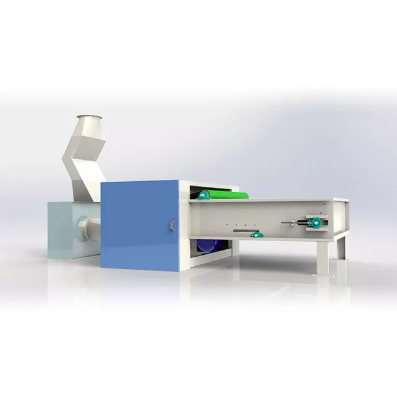
One of the biggest advantages of non-woven fabric production lines is their ability to increase production speed while reducing costs. These lines streamline the entire manufacturing process, combining multiple steps, such as fiber feeding, web formation, bonding, and finishing, into one automated system. This reduces labor costs and accelerates production, making non-woven fabrics a cost-effective option for mass production.
Non-woven fabric production lines are highly versatile, capable of producing a wide variety of fabric types. Whether the requirement is for soft, breathable fabrics for hygiene products or durable, strong materials for industrial uses, these production lines can be adjusted to meet specific demands. The ability to customize fabric properties enables manufacturers to cater to a wide range of industries.
Non-woven fabrics produced through these production lines offer superior durability, strength, and breathability compared to traditional woven fabrics. These properties make them ideal for high-performance applications in industries such as healthcare, automotive, and construction, where fabric quality is critical.
Non-woven fabric production lines contribute to sustainability by reducing waste and energy consumption through optimized manufacturing processes. The growing use of biodegradable materials also reduces the environmental footprint of non-woven products, aligning with the trend towards eco-friendly manufacturing practices.
Non-woven fabric production lines are vital for producing cost-effective, high-performance textiles across various industries. These lines enable efficient production in sectors like healthcare, hygiene, and agriculture. As technology advances, non-woven fabrics will continue to provide innovative, sustainable solutions.
Investing in such production lines is a strategic move for manufacturers looking to stay competitive globally. As industries prioritize efficiency and eco-friendly solutions, non-woven fabric production lines will shape the future of textile manufacturing.
Changshu Weicheng Nonwoven Equipment Co., Ltd. offers high-quality non-woven fabric production lines designed to meet the growing demands of diverse industries. Their products provide excellent value by improving efficiency and supporting sustainable manufacturing practices.
A: A Non-Woven Fabric Production Line is a system used to manufacture non-woven fabrics by bonding fibers together through methods like heat bonding, needle punching, or chemical adhesives. These lines are essential for producing fabrics used in healthcare, hygiene, agriculture, and more.
A: The production line feeds raw fibers, forms them into a web, bonds the fibers using various methods, and then finishes the fabric. This process enables mass production of high-performance, versatile fabrics for different industries.
A: Non-woven fabric production lines are used in various sectors, including healthcare (for surgical gowns and masks), hygiene (diapers and sanitary pads), agriculture (crop protection), and filtration systems for air, water, and oil.
A: These lines help produce cost-effective, high-quality fabrics quickly and efficiently. They meet the growing demand across industries like healthcare, hygiene, and construction, where performance, comfort, and durability are crucial.
A: Non-woven fabric production lines provide advantages like lower production costs, faster manufacturing speeds, and the ability to create customizable fabrics for a variety of applications, making them essential for industries looking for efficient textile solutions.