Views: 0 Author: Site Editor Publish Time: 2025-12-06 Origin: Site


Non-woven fabric production lines are transforming manufacturing across industries. These lines create versatile, cost-effective materials for products like hygiene items and medical supplies. As demand for sustainable and specialized fabrics grows, non-woven production lines play a critical role in meeting this need.
In this article, we will explore the definition and processes behind non-woven fabric production lines. You will learn how these systems work and their impact on various industries.
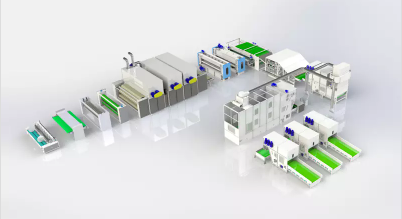
A non-woven fabric production line is a specialized system that uses mechanical, chemical, or thermal methods to bond fibers directly into fabric, without weaving or knitting. The process includes several stages, such as fiber preparation, web formation, and bonding, resulting in a fabric that is strong, versatile, and immediately ready for use in a variety of products. The technology behind these production lines has evolved to enable manufacturers to customize the final fabric to meet specific characteristics such as breathability, strength, or absorbency.
Fiber Feeding: Raw fibers such as polyester, cotton, or polypropylene are introduced into the production system. These fibers may be natural, synthetic, or a blend of both, offering manufacturers a range of options depending on the intended application.
Web Formation: The fibers are spread and laid out into a web, the foundational structure of the fabric. Web formation methods include carding, air-laying, and spunbonding. The method chosen directly influences the texture, uniformity, and thickness of the fabric.
Bonding: Mechanical, thermal, or chemical methods are used to bond the fibers into a coherent fabric. The bonding process is essential, as it ensures the durability and stability of the final product, making it suitable for a range of applications.
Finishing: The fabric is processed through calendaring, coating, or embossing to enhance its properties, such as improving its strength, surface smoothness, and appearance.
A non-woven fabric production line consists of several key components, each critical to producing high-quality fabric:
Fiber Feeding System: This is where raw fibers are introduced into the production line. It includes various feeders that regulate the flow of fibers into the system. Proper regulation of fiber feeding is important for maintaining consistent weight and thickness of the fabric.
Web Formation Units: Machines such as carding machines, air-laying machines, and spunbonding machines arrange the fibers into a uniform web. The process chosen will affect the final texture and appearance of the fabric.
Bonding Units: This section uses methods like mechanical entanglement (needle-punching), heat bonding, or chemical bonding to fuse the fibers together. Bonding ensures that the fabric maintains its shape and structure, ready for the intended application.
Finishing Processes: Includes processes like calendaring (pressing), embossing (pattern creation), or coating (to improve durability). These steps enhance the final fabric’s texture and functionality, ensuring it meets the specific needs of various applications.
Non-woven fabric production is divided into several stages, each essential for achieving the desired product characteristics. Each step is crucial in ensuring that the fabric meets the specific requirements for its intended use.
The first stage involves selecting and preparing the appropriate raw fiber, whether it’s natural (like cotton) or synthetic (such as polyester). These fibers are prepared through carding for natural fibers or melting for synthetic fibers. The preparation of the fibers plays a crucial role, as it directly affects the strength, texture, and durability of the final product. Polyester is typically chosen for strength, while cotton is used for absorbency and softness.
Once the fibers are prepared, they are laid out into a web. The most common web formation methods include:
Spunbond: Polymeric materials are melted and extruded through nozzles to form continuous filaments, which are then laid down on a conveyor belt. This method is ideal for producing large quantities of fabric quickly, ensuring high efficiency in production.
Meltblown: Similar to spunbond, but high-velocity air is used to create very fine fibers. This process is particularly beneficial for filtration products, as the finer fibers create superior filtration properties.
Airlaid: This method disperses fibers using air onto a conveyor, forming a fluffy, absorbent fabric. Airlaid is often used to produce highly absorbent materials, such as those found in hygiene products.
The web of fibers is then bonded together using one of the following methods:
Mechanical Bonding (Needle-Punching): Barbed needles entangle the fibers, creating a thick, durable fabric that is suitable for industrial applications.
Thermal Bonding: Heat is applied to melt the fibers, creating a solid and stable fabric. This method is often used for lightweight and breathable fabrics used in medical and hygiene products.
Chemical Bonding: Adhesives or chemical agents are used to bind the fibers. This process can produce a wide range of fabric characteristics, including water resistance and enhanced strength.
| Bonding Technique | Description | Ideal Use |
|---|---|---|
| Mechanical Bonding | Uses needle-punching to entangle fibers into a felt-like fabric. | Ideal for thick, durable fabrics. |
| Thermal Bonding | Applies heat to fuse fibers together. | Suitable for lightweight and breathable fabrics. |
| Chemical Bonding | Uses adhesives or binders to bond fibers. | Perfect for creating fabrics with specialized characteristics like water resistance. |
After bonding, the fabric undergoes a finishing process, such as calendaring, coating, or embossing. This enhances the fabric’s surface, strength, and appearance. Finishing treatments may include pressing the fabric to smooth it, applying coatings for added durability, or creating patterns for aesthetic appeal. The finished fabric is then cut into rolls or sheets, ready for use in various products.
The non-woven fabric industry has greatly benefited from automation and advanced technology, enabling more efficient and higher-quality production processes. Today’s non-woven production lines integrate:
Automation: High-tech machines handle fiber feeding, web formation, and bonding. Automation significantly reduces the need for manual labor, improving both consistency and speed in production.
Industry 4.0 Integration: Smart sensors and real-time data analytics are increasingly used to monitor the production process, detect inefficiencies, and optimize operations. Predictive analytics also help anticipate potential equipment failures, preventing disruptions in production.
These advancements not only reduce operational costs but also improve the sustainability and quality of the fabric, making non-woven production lines ideal for industries requiring high volumes and fast turnarounds.
Two of the most commonly used production techniques in non-woven fabric manufacturing are spunbond and meltblown. These methods are essential to producing fabrics that are both durable and versatile, with unique properties that make them suitable for a wide range of applications. Both methods are part of the spunlaid production technique, where fibers are laid down in a web and bonded together, but they differ in the way the fibers are formed and processed.
Spunbond is one of the most widely used methods in non-woven fabric production. In this process, polymer fibers are extruded from a machine, where molten polymer is forced through small nozzles to create continuous filaments. These filaments are then laid down on a conveyor belt to form a uniform web of fibers. The fibers are then bonded either by heat or mechanical entanglement, creating a durable fabric that retains its strength even when subjected to stress or tension.
Spunbond fabrics are particularly valued for their robustness and flexibility. They are used in a wide variety of applications, from medical products such as surgical gowns and masks to automotive components, geotextiles, and insulation materials. The ability to create fabrics that are both lightweight and strong makes spunbond a favored technique in industries where durability and cost-effectiveness are crucial.
The process also allows for a high degree of customization. For instance, the fabric’s weight, texture, and appearance can be modified by adjusting the extrusion speed, the type of polymer used, and the bonding method. As a result, spunbond fabrics can be tailored to meet specific performance needs, such as water resistance, breathability, or thermal stability.
Meltblown technology is another key method in non-woven fabric production, known for its ability to produce fine, high-surface-area fibers. In the meltblown process, polymer is melted and extruded through tiny nozzles, similar to the spunbond method. However, instead of laying the fibers down on a belt, high-velocity air is used to blow the molten fibers into a fine web. This results in extremely fine, microfibers that are bonded together to form a highly porous and absorbent fabric.
Meltblown fabrics are highly valued for their superior filtration properties, making them ideal for applications such as face masks, air and water filtration, and protective clothing. These fabrics are capable of trapping fine particles and offering protection from harmful airborne contaminants. As such, meltblown fabrics are indispensable in medical and industrial settings where contamination control is critical.
The high fiber surface area and low weight of meltblown fabrics also make them highly absorbent, which further enhances their suitability for medical products such as wound dressings, surgical drapes, and diapers. Additionally, meltblown fabrics can be manufactured with a variety of polymers, such as polypropylene or polyester, depending on the required properties.
While the meltblown process is more complex and energy-intensive than spunbond, its ability to create fine, high-quality fibers makes it invaluable in the production of specialized non-woven fabrics.
In addition to the widely used spunbond and meltblown techniques, there are several other bonding methods that are used in non-woven fabric production. These techniques help create fabrics with different properties, catering to a broader range of applications. The choice of bonding method influences the final fabric’s texture, strength, and other characteristics such as softness or elasticity.
Needle Punching: In needle punching, barbed needles are used to mechanically entangle the fibers. The needles repeatedly puncture the web of fibers, causing them to interlock and form a strong, felt-like texture. This method is particularly well-suited for producing thicker, more durable fabrics that can withstand mechanical stress. Needle-punched fabrics are used in a wide range of applications, including automotive upholstery, carpets, and geotextiles. The resulting fabric is dense, durable, and resistant to wear and tear, making it ideal for industrial and heavy-duty uses.
Water Jet Bonding: This technique uses high-pressure water jets to entangle fibers and bond them together. The force of the water stream causes the fibers to intertwine, forming a fabric with a soft texture but still strong enough to serve as a functional material. Water jet bonding is often used for producing medical and hygiene products, where softness and flexibility are critical. The fabric created through this method is typically lightweight and comfortable, making it suitable for use in products such as surgical drapes, wipes, and personal care items like sanitary pads and diapers.
Chemical Bonding: In chemical bonding, adhesives or chemical agents are applied to bond the fibers. The adhesive may be applied either in the form of a spray, foam, or liquid, and once the fibers are coated, the fabric is subjected to heat or pressure to bond them together. This bonding method allows manufacturers to produce fabrics with specialized characteristics such as water resistance, enhanced strength, or antimicrobial properties. Chemical bonding is commonly used for creating non-woven fabrics in specialized applications such as filtration systems, automotive insulation, and protective clothing.
Each of these bonding methods offers distinct advantages, depending on the specific application. Needle punching provides durability, water jet bonding offers softness, and chemical bonding delivers specialized properties that can be customized to suit the needs of various industries. By understanding these methods, manufacturers can select the appropriate technique to produce fabrics with the desired characteristics, ensuring high-quality products for a wide range of uses.
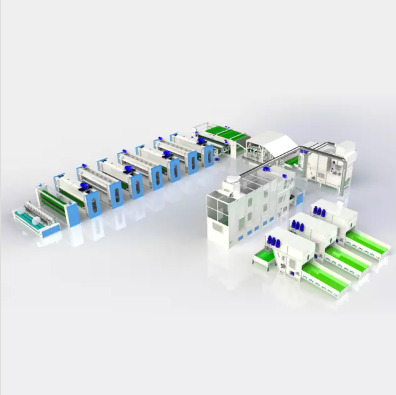
Non-woven fabrics are frequently used in hygiene products like diapers, sanitary pads, and wet wipes. Their absorbency, softness, and breathability make them ideal for personal care applications. The ability to produce large quantities quickly makes non-woven fabric production particularly beneficial in meeting the high demand for these disposable products.
In the medical field, non-woven fabrics are used in the production of sterile products such as surgical masks, gowns, and wound dressings. These fabrics provide vital barrier properties, preventing the penetration of bacteria, fluids, and pathogens. As demand for medical supplies grows globally, non-woven fabrics are becoming more crucial in ensuring hygiene and safety.
Non-woven fabrics are also used across several industries, including automotive, agriculture, and construction. Their durability, flexibility, and ability to be customized for specific applications make them well-suited for uses such as filtration, insulation, and geotextiles. Non-woven geotextiles, for example, are often used in construction projects to improve soil stability and control erosion.
| Industry | Application | Examples of Non-Woven Fabric Use |
|---|---|---|
| Hygiene and Personal Care | Used in products like diapers, sanitary pads, and wet wipes. | Soft, absorbent materials for personal care items. |
| Medical | Used in sterile products such as masks, gowns, and dressings. | Barrier properties for infection control in healthcare. |
| Industrial | Used in automotive, filtration, and construction applications. | Durable materials for insulation, filtration, and geotextiles. |
The integration of automation and smart technologies in non-woven fabric production lines has led to greater efficiency, reduced labor costs, and improved product quality. Manufacturers are now able to monitor production processes in real time, adjust operations based on demand, and even predict maintenance needs before machines break down. This results in smoother production runs and less downtime.
Sustainability has become a key focus in the non-woven fabric industry. Manufacturers are increasingly turning to biodegradable fibers, energy-efficient processes, and recyclable materials to reduce the environmental impact of production. By adopting eco-friendly practices, the industry is able to meet growing consumer demand for sustainable products while also complying with regulations aimed at reducing environmental footprints.
Non-woven fabric production lines provide significant cost savings compared to traditional textile manufacturing. Their ability to produce large volumes of fabric quickly with minimal labor input leads to reduced production costs and higher profit margins. These lines are especially beneficial for industries with high-volume, low-margin products.
Non-woven fabrics can be easily customized to meet the specific needs of various industries. Manufacturers can choose different types of fibers, bonding methods, and production techniques to create fabrics with tailored properties such as enhanced strength, absorbency, or water resistance. This versatility allows businesses to produce materials that are suited for a wide range of applications.
As demand for eco-friendly products grows, non-woven fabric production lines are adopting more sustainable practices. The use of recycled fibers, biodegradable materials, and energy-efficient production methods is helping to minimize the environmental impact of non-woven fabric manufacturing. Companies that prioritize sustainability will be better positioned to meet both regulatory requirements and consumer preferences.
Non-woven fabric production lines are crucial in modern manufacturing, offering efficiency, cost-effectiveness, and versatility. As technology and sustainability continue to advance, the demand for these production lines will keep growing. Businesses aiming to stay competitive should invest in these lines to meet market needs and boost operational efficiency. Changshu Weicheng Nonwoven Equipment Co., Ltd. provides state-of-the-art nonwoven production solutions, offering superior value with its advanced products that enhance productivity and quality across industries.
A: A Non-Woven Fabric Production Line is a manufacturing system that uses mechanical, chemical, or thermal methods to bond fibers into fabric without the traditional weaving or knitting process. It is commonly used to produce versatile fabrics for various industries.
A: The Non-Woven Fabric Production Line involves feeding fibers into a system, forming a web, and then bonding the fibers together using techniques like thermal bonding or needle punching. The final fabric is then processed for finishing.
A: Non-Woven Fabric Production Lines offer efficiency, cost-effectiveness, and versatility. They produce high-quality fabrics with minimal labor, making them ideal for high-volume applications in industries such as medical, hygiene, and automotive.
A: Non-Woven Fabric Production Lines are essential because they provide a fast, sustainable, and cost-effective way to produce specialized fabrics. With increasing demand for disposable products and medical applications, these lines play a key role in meeting market needs.
A: Non-Woven Fabric Production Lines can create a wide range of fabrics including medical masks, wipes, insulation materials, geotextiles, and automotive components. The process allows for customization in texture, strength, and absorbency.