Views: 0 Author: Site Editor Publish Time: 2025-12-05 Origin: Site


Are you aware that the right non-woven fabric production line can dramatically enhance your product quality and profitability? Non-woven fabrics are used in everything from hygiene products to construction materials, and their demand is rapidly growing.
In this article, we will discuss how to select the best non-woven fabric production line. You will learn how to choose the right machine to meet your production needs, maximize efficiency, and stay ahead in a competitive market.
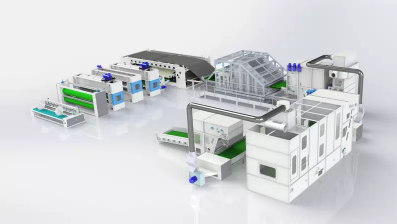
Spunbond machines are among the most popular types of non-woven fabric production lines due to their ability to produce lightweight, durable fabrics. These machines are widely used in the production of geotextiles, medical supplies, and hygiene products like diapers and surgical drapes. Spunbond technology involves extruding fibers that are bonded together through a thermal process, which makes the fabric strong, breathable, and suitable for various applications.
Spunbond machines are highly efficient, capable of producing large quantities of fabric in a short period. They are especially useful when producing fabrics that need to be durable yet flexible, as seen in geotextiles or medical products. The versatility of spunbond machines allows manufacturers to serve various industries efficiently, providing fabrics that are both cost-effective and reliable.
Spunbond production lines also offer flexibility in product customization. For example, different fabric densities or composite layers can be produced to meet the specific needs of the end product. This flexibility gives manufacturers a competitive edge in creating high-performance fabrics tailored to specific applications.
Spunlace machines use high-pressure water jets to entangle fibers without the use of chemical bonding agents. This results in fabrics that are exceptionally soft and absorbent, making them perfect for products like wet wipes, facial tissues, and medical wipes. Spunlace technology is a go-to for the personal care and hygiene industries due to the gentle, yet effective bonding of fibers.
The main advantage of spunlace machines is their ability to produce non-woven fabrics that are both durable and gentle to the touch, which is critical for consumer-facing products like baby wipes and makeup removers. Spunlace machines are equipped to handle varying thicknesses and formulations, giving businesses the flexibility to produce both simple and highly specialized products.
Spunlace technology ensures the production of high-quality non-woven fabrics that meet the hygiene standards required for personal care applications. For businesses focused on soft, absorbent products, spunlace machines provide an ideal solution for fabric production.
Needlepunch machines are used to produce non-woven fabrics that are strong, dense, and durable, making them ideal for heavy-duty applications such as carpets, automotive fabrics, and synthetic leather. The process involves mechanically intertwining fibers using barbed needles, creating a fabric that is tough and able to withstand wear and tear.
These machines are particularly useful in industries that require robust fabrics for industrial applications, including construction materials and automotive interiors. Needlepunch machines are designed to handle heavy-duty fabrics, ensuring they meet the rigorous demands of these industries. Whether you're manufacturing carpets for high-traffic areas or automotive upholstery, these machines provide the strength and durability required.
Needlepunch technology also allows for fabric customization in terms of thickness, density, and texture, making it suitable for a variety of industrial needs.
Meltblown machines are specifically designed to produce high-filtration fabrics, making them a crucial part of the production line for items such as face masks, air filters, and other filtration products. Meltblown technology uses a high-velocity hot air stream to melt and blow polymer fibers into a fine mesh, creating a fabric with excellent filtration properties.
Given the growing demand for personal protective equipment (PPE) and air filtration products, investing in a meltblown machine can significantly enhance your production capabilities in these high-demand sectors. Meltblown machines are essential for producing fabrics that meet the stringent requirements of industries like healthcare and environmental protection. They are also crucial for manufacturing products such as air filters, which require a high degree of filtration efficiency.
| Machine Type | Key Applications | Fabric Properties | Speed & Efficiency | Customization Flexibility |
|---|---|---|---|---|
| Spunbond | Geotextiles, Medical Supplies, Hygiene Products | Lightweight, Durable | High-speed, Efficient | Customizable density/layers |
| Spunlace | Wet Wipes, Facial Tissues, Medical Wipes | Soft, Absorbent | Moderate speed, High quality | Adjustable thickness and formulation |
| Needlepunch | Carpets, Automotive Fabrics, Synthetic Leather | Dense, Durable | Medium speed, Robust fabric | Adjustable density and texture |
| Meltblown | Face Masks, Air Filters, PPE | High filtration | Moderate speed, Precision | High filtration efficiency |
When selecting a non-woven fabric production line, production capacity is one of the most critical factors to consider. The capacity directly influences the scale of your operations and whether you can meet market demand efficiently. A machine with higher output will be crucial for large-scale operations, while smaller businesses may opt for machines with lower capacities to avoid over-investment or underutilization.
Capacity requirements also vary depending on your target market. For instance, the capacity needed for producing medical supplies or hygiene products will be different from that for geotextiles or industrial fabrics. It's important to match your production capacity with your sales projections to ensure that your production line can handle both current and future demands.
It’s also important to assess the raw material compatibility with your machine. For example, if you're producing geotextiles or medical supplies, your production line must be able to handle specific materials like polypropylene (PP) or polyester, ensuring the final product meets industry standards. When planning production, it’s essential to project future demand and ensure that the chosen machine can handle expected increases in output over time without the need for frequent upgrades. This strategic planning will help you avoid expensive and unnecessary equipment changes down the line.
Machine speed is another crucial consideration, especially if you're working in high-demand sectors such as hygiene products, where timely delivery is critical. Faster production speeds can significantly reduce delivery times, improve profitability, and meet consumer expectations. However, speed must be balanced with quality. For instance, when producing face masks or filtration materials, maintaining fabric performance without compromising speed is paramount.
Machines that offer adjustable settings for different fabric weights and types are essential. These settings allow flexibility in handling various production requirements, ranging from lightweight wipes to heavy-duty geotextiles. Such flexibility ensures that your production line can accommodate diverse products and adjust to market fluctuations.
Fast production speeds should not come at the expense of product quality. It is essential to invest in machines that offer both speed and precision, ensuring a balance between quick production cycles and high-quality outcomes. Businesses must also assess the quality control mechanisms available to maintain consistent fabric standards despite the speed of production.
Automation is revolutionizing the production of non-woven fabrics. Machines with advanced automation features can streamline the manufacturing process, reducing labor costs, increasing consistency, and enhancing overall operational efficiency. These machines also incorporate real-time monitoring systems that alert operators to potential issues before they become costly problems, minimizing downtime and maintaining production timelines.
Smart technology, such as automated defect detection, process optimization, and predictive maintenance, ensures that production lines run smoothly. These technologies reduce human error and provide operators with detailed insights into machine performance, helping them make data-driven decisions. Furthermore, automation features contribute to energy savings, which are crucial for long-term profitability and sustainability.
Investing in machines equipped with smart technology can significantly lower operational costs and improve product consistency, ultimately offering a better return on investment (ROI) by reducing waste, energy consumption, and production delays. These technologies not only improve efficiency but also ensure that fabric quality meets rigorous industry standards.
Non-woven fabrics are used across a broad spectrum of industries, from hygiene and medical sectors to automotive and construction. As a result, choosing a versatile production line that can handle various types of fabric (spunbond, meltblown, needlepunch, etc.) is essential for businesses aiming to expand their product offerings. Machines capable of producing a wide range of non-woven fabrics allow manufacturers the flexibility to respond quickly to changing market demands, ensuring you remain competitive and capture a broader customer base.
For instance, a production line that can switch between producing lightweight medical fabrics and more robust industrial fabrics ensures that businesses can cater to multiple industries. This versatility can help manufacturers diversify their product portfolio, respond to fluctuations in market demand, and future-proof their operations against industry shifts.
| Key Factor | Description | Impact on Production |
|---|---|---|
| Production Capacity | Determines the scale of operation and ability to meet demand | Affects output, scalability, and investment choices |
| Machine Speed | Speed of production, balancing time and fabric quality | Impacts delivery time and operational efficiency |
| Automation & Technology | Integration of automation for precision and efficiency | Reduces labor costs and improves product consistency |
| Versatility | Ability to handle different fabric types and specifications | Allows flexibility and adaptability in production |
Energy efficiency is an important factor to consider when selecting a non-woven fabric production line. Machines designed with energy-saving features can significantly reduce electricity costs, making them more sustainable and cost-effective in the long run. Advanced technologies like variable speed drives and energy-efficient motors help minimize energy consumption without compromising production speed or fabric quality.
By investing in energy-efficient machines, businesses can lower operational costs, improve their environmental footprint, and increase overall profitability. Energy savings, combined with high productivity, ensure that these machines offer both financial and environmental benefits, making them an attractive option for businesses aiming to reduce their expenses while maintaining top-quality production standards.
Minimizing downtime is crucial for any production line. Machines that are easy to maintain and have readily available spare parts will ensure smooth, uninterrupted production. Regular maintenance also extends the lifespan of your machines, reducing the need for costly repairs and replacements. Choosing a supplier with strong after-sales support and a reliable spare parts network ensures that your production line stays up and running with minimal disruptions, leading to improved productivity.
Regular maintenance is essential for avoiding downtime, which can negatively impact production schedules and overall business profitability. By ensuring that your machines are well-maintained, you can keep your production line running at optimal levels, minimizing costly interruptions and ensuring consistent output.
Maintaining consistent fabric quality is key to customer satisfaction and compliance with industry standards. Machines with integrated quality control features, such as inline sensors, are essential for monitoring fabric consistency throughout the production process. These sensors help detect defects early, ensuring that the final product meets the required specifications for strength, durability, and texture.
Investing in advanced quality control systems ensures that your production line operates efficiently, producing high-quality non-woven fabrics every time. These systems contribute to consistent product quality, reduce defects, and enhance overall manufacturing reliability, leading to increased customer trust and satisfaction.
| Feature | Importance | Impact on Operations |
|---|---|---|
| Energy Efficiency | Reduces operating costs and supports sustainability | Decreases electricity costs, improves ROI |
| Maintenance & Downtime | Ensures continuous operation with minimal interruptions | Increases productivity, extends machine life |
| Quality Control Systems | Ensures consistent fabric quality | Reduces defects, ensures customer satisfaction |
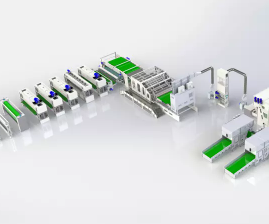
When selecting a non-woven fabric production line, businesses must balance the initial investment with long-term savings. While some machines may have a higher upfront cost, they may offer greater efficiency, lower operating costs, and extended durability, ultimately providing a better return on investment. Factors like automation, energy efficiency, and durability can impact your overall operational costs and should be carefully considered to ensure the machine meets your production needs.
It is important to evaluate the total cost of ownership (TCO), including installation, maintenance, and energy consumption. A well-calculated ROI ensures that your investment in machinery will deliver long-term benefits for your business. Choosing a machine with a higher upfront cost that reduces operational expenses can be more profitable in the long run than opting for cheaper alternatives with higher ongoing costs.
To determine whether your investment in a non-woven fabric production line is worthwhile, calculate the return on investment (ROI). This can be done by comparing the expected output, machine performance, and market demand against the initial investment and operational costs. A well-optimized production line should not only meet your immediate needs but also scale to meet future demand.
A proper ROI calculation helps businesses make informed decisions about which machines to invest in, ensuring that the production line will be profitable in the long run. By carefully evaluating potential savings and output, you can make smarter investment decisions that contribute to the sustainable growth of your business.
The reputation of your supplier plays a crucial role in the success of your production line. Choose a supplier known for their reliability, product quality, and strong technical support. Having access to expert advice, training, and maintenance support ensures that your production line operates smoothly and efficiently. Suppliers who offer strong after-sales support contribute to the long-term success of your production process by minimizing disruptions and ensuring continuous optimization.
Integrating new machinery into your production process requires expert installation and operator training. Suppliers that offer these services ensure that your team is well-equipped to handle the machine from day one, reducing the likelihood of operational issues and improving overall productivity. Proper training helps operators use the equipment effectively, ensuring smooth integration and a faster ramp-up to full production.
Choosing the right non-woven fabric production line is essential for staying competitive in a growing market. Factors like production capacity, machine speed, and automation must be considered to make an informed decision. Evaluating these elements ensures your equipment aligns with business needs and future growth.
By selecting the appropriate production line, you can improve operational efficiency, reduce costs, and meet customer demands. This investment will provide long-term value, supporting your business while delivering high-quality non-woven fabrics. Making the right decision positions your company for success in a fast-evolving industry.
For businesses looking for reliable and high-performance production lines, Changshu Weicheng Nonwoven Equipment Co., Ltd. offers products designed to deliver value. Their equipment ensures efficiency, high output, and consistent quality, helping businesses excel in the competitive non-woven fabric market.
A: A Non-woven Fabric Production Line is a manufacturing system designed to produce fabrics through various processes like spunbond, meltblown, and needlepunch. It doesn’t use weaving or knitting but instead bonds fibers together to create durable, flexible fabrics for various industries.
A: When selecting a Non-woven Fabric Production Line, consider factors like production capacity, speed, automation features, and versatility. Ensure the machine meets your product requirements and can adapt to future needs.
A: Automation enhances efficiency by reducing labor costs and improving precision. It allows for smoother operations, higher output, and consistent quality in the Non-woven Fabric Production Line.
A: A Non-woven Fabric Production Line offers benefits such as increased production speed, lower costs, improved fabric consistency, and the ability to meet high-quality standards for diverse industries like medical, automotive, and hygiene.
A: The cost of a Non-Woven Fabric Production Line varies depending on its type, features, and production capacity. Basic models can be more affordable, while high-end systems with advanced automation and customization options can be more expensive.