Views: 0 Author: Site Editor Publish Time: 2025-12-04 Origin: Site


Have you ever wondered how everyday products like medical masks or insulation are made? Non-woven fabric production plays a critical role in creating these essential items.
In this article, we’ll explore the step-by-step process of setting up a Non-Woven Fabric Production Line, ensuring smooth operations and high-quality fabric output. You’ll learn how proper installation can boost efficiency and fabric quality.By the end, you’ll understand the key components involved and how to optimize your production line for long-term success.
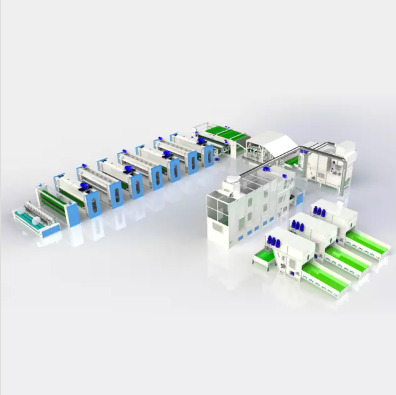
A non-woven fabric production line is a comprehensive system designed to produce non-woven fabrics via a continuous, automated process. These systems typically include various interconnected machines that handle multiple stages: fiber formation, bonding, and finishing.
The main components of the production line consist of:
| Component | Function |
|---|---|
| Extruder | Melts and feeds polymer pellets into the system. |
| Spinneret | Forms molten polymer into filaments. |
| Conveyor System | Moves fibers to the bonding area. |
| Bonding Units | Fuse fibers together (thermal, mechanical, or chemical bonding). |
The design of each production line can differ depending on the type of fabric being produced—whether it's spunbond, meltblown, or SMS (spunbond-meltblown-spunbond)—and the specific production needs. For instance, spunbond lines focus on continuous filament formation, whereas meltblown lines create finer, microfibrous webs ideal for high-filtration applications.
Non-woven fabrics have a wide range of applications across several industries due to their unique properties:
Filtration: Non-woven fabrics are essential for air and water filtration, commonly used in medical masks, air purifiers, and water filtration systems. Their ability to trap particles makes them ideal for these applications.
Medical Materials: These fabrics are widely used in healthcare products like surgical gowns, face masks, and wound dressings, offering softness, high absorbency, and sterility.
Insulation: Non-woven fabrics also serve as insulation materials in the automotive and construction industries. Their lightweight nature makes them perfect for thermal and sound insulation applications.
Their versatility and functionality make them invaluable in a variety of industries, improving product performance while being cost-effective.
Choosing the right location for the non-woven fabric production line is essential for optimal operation. The space should meet the following criteria:
Sufficiently large: The area must be spacious enough to accommodate the machines, as well as allowing easy movement of raw materials and finished products.
Stable: The floor must be able to support heavy equipment, preventing misalignment or vibrations that can affect the accuracy of production.
Well-ventilated: Machinery generates heat, so proper ventilation is crucial to maintain a stable operating temperature, preventing overheating and damage.
In addition to these physical requirements, layout planning is also important. The workflow should be optimized to minimize delays, enhance safety, and ensure a smooth, efficient production process.
Once the location is prepared, the equipment will arrive. The steps in this phase include:
Careful unloading: Use appropriate equipment like forklifts or cranes to handle the machinery, ensuring safety during transport and placement.
Inspection: Check for any shipping damage or missing parts. If there are issues, report them immediately to avoid delays.
Proper placement: Position the machinery according to the planned layout. Ensure that everything is easily accessible for maintenance and future upgrades.
Proper handling of the equipment ensures a smoother setup process and reduces potential delays during installation.
The production line requires various utilities, including:
Electricity: Ensure the electrical system can handle the power demands of the machinery. Consult an electrician to confirm the setup is up to code and can accommodate the system's load.
Water: Certain fabrics require water for cooling or bonding. Ensure a steady and reliable water supply is available to prevent production interruptions.
Compressed air: Some machines need compressed air for specific operations, such as cooling or fiber formation. Verify that the air compressors are installed and functioning properly.
In addition, safety is critical. Ensure proper grounding of all electrical systems, and follow all manufacturer guidelines for installation to avoid electrical hazards. Consider installing safety equipment like fire suppression systems to protect both workers and the machinery.
| Utility | Purpose | Key Considerations |
|---|---|---|
| Electricity | Powers the extruder and other machinery components. | Ensure sufficient load capacity and safety. |
| Water | Used in cooling and bonding for some fabric types. | Ensure continuous, clean water supply. |
| Compressed Air | Drives pneumatic components for specific operations. | Verify air compressor availability and capacity. |
When the equipment arrives, unpack it carefully and inspect it for any signs of damage or missing parts. Early inspection helps avoid installation delays. If any parts are damaged or missing, contact the supplier right away to address the issue before beginning setup.
The main frame provides structural support for the production line. This includes:
Aligning components: Ensure all components are aligned properly to avoid misalignment during production. Proper alignment reduces the chances of machine wear and prevents operational issues.
Fixing the conveyor system: The conveyor system must be set up to transport fibers smoothly across the production line. Ensure that rollers, belts, and tensioners are properly secured to avoid disruptions in fabric formation.
Proper installation of the main frame and conveyor system is essential for maintaining efficient production.
The control panel is responsible for managing the entire production process. Ensure that:
Wiring is secure: Carefully follow the wiring diagram provided by the manufacturer to ensure all connections are correct.
Fabric feeding system: Install the fabric feeding system properly. Adjust settings to ensure the proper fabric thickness, width, and density are achieved.
By ensuring the control panel and fabric feeding system are properly installed, you can ensure smooth, uninterrupted production.
The extruder melts polymer pellets, while the spinneret forms the molten polymer into filaments. Proper installation and calibration of both components are vital for smooth production.
Extruder calibration: Adjust the temperature to match the polymer being used, such as polypropylene or polyester. Each polymer has specific requirements for optimal processing.
Spinneret setup: Align the spinneret correctly to ensure the filaments are formed evenly. Misalignment can lead to inconsistent fibers, affecting fabric quality.
Calibrating the extruder and spinneret correctly is essential for uniform filament production, which contributes to high-quality fabric.
After the filaments are formed, they are collected to create a web on a conveyor belt or drum. Several bonding methods are used to hold the fibers together:
Thermal bonding: Hot rollers fuse the fibers by applying heat. This method works well for lightweight, cost-effective fabrics.
Mechanical bonding: Methods like needle punching or hydroentanglement create durable fabrics, ideal for geotextiles or automotive insulation.
Chemical bonding: This method involves using adhesives to bond fibers, though it’s less common due to environmental and cost considerations.
The choice of bonding method will significantly influence the fabric’s final properties, such as strength, absorbency, and texture.
| Bonding Method | Description | Applications | Best Fabric Types |
|---|---|---|---|
| Thermal Bonding | Uses heat to fuse fibers. | Lightweight fabrics, shopping bags | Non-woven fabrics for daily use |
| Mechanical Bonding | Uses mechanical pressure (e.g., needle-punching). | Geotextiles, automotive insulation | Heavy-duty fabrics |
| Chemical Bonding | Uses adhesives to bond fibers. | Disposable hygiene products | Medical and hygiene fabrics |
Once the main components are installed, calibration is necessary to produce high-quality fabric. Important parameters to calibrate include:
Temperature: Ensure the extruder operates at the right temperature for the polymer. Incorrect temperature can cause issues like uneven filament formation or poor fabric quality.
Speed: Adjust the conveyor speed to achieve the desired fabric thickness and texture.
Tension: Consistent tension must be maintained to avoid fabric defects such as wrinkles or uneven density.
Proper calibration guarantees that the fabric meets the required quality standards and ensures efficient production.
Before introducing raw materials, conduct a dry run to ensure all components are functioning properly. This test helps confirm that the extruder, spinneret, and conveyor system work smoothly. Additionally, check that the control panel is responding correctly.
Once the dry run is successful, proceed to trial production. During this phase, monitor key quality indicators, such as:
Fabric thickness: Check for uniform thickness across the entire production roll.
Tensile strength: Ensure that the fabric has the necessary strength for its intended applications.
Trial production helps identify any issues with the fabric’s quality, which can be adjusted before starting full-scale production.
During the testing phase, you may encounter issues such as:
Uneven polymer melt: This can cause inconsistencies in the filament thickness.
Component misalignment: Ensure the conveyor and bonding units are properly aligned to prevent issues during production.
Quickly address any problems identified during testing to avoid delays during full-scale operation.
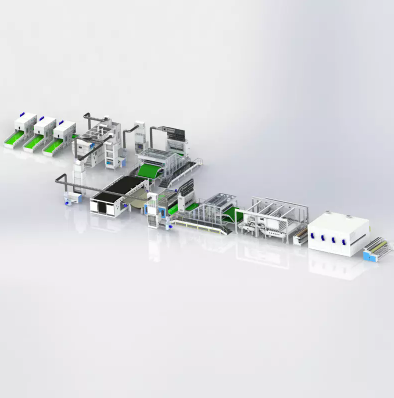
After installation, ongoing maintenance is vital to ensure the smooth operation of the production line. Key maintenance tasks include:
Cleaning: Regularly clean the system to remove fiber buildup and prevent dust accumulation that can interfere with machinery.
Inspections: Perform periodic inspections to identify worn-out parts or components that need replacing.
Routine maintenance helps extend the lifespan of your equipment and reduces the risk of costly repairs.
Training operators is crucial for ensuring safe and efficient operation of the production line. The training program should include:
Safety protocols: Emphasize the importance of wearing personal protective equipment (PPE) and following safety procedures.
Operational procedures: Teach operators how to adjust settings and handle the equipment effectively.
Properly trained operators are essential to maintaining a safe, efficient work environment.
Maintaining contact with your supplier for ongoing support is crucial. Key benefits include:
Technical support: Access a dedicated customer service team for troubleshooting and assistance.
Upgrades: Ensure your production line stays updated with the latest software or component upgrades.
Continuous supplier support ensures that the equipment remains efficient and up to date.
Setting up a non-woven fabric production line demands careful planning and attention to detail. From selecting the optimal location to fine-tuning equipment, every step is crucial for producing high-quality fabric. Regular maintenance and operator training are key to ensuring long-term success and optimal performance.
Following this guide will help manufacturers optimize operations, minimize downtime, and meet industry standards. Continuous investment in advanced equipment and training keeps manufacturers competitive in the ever-evolving market.
The production lines from Changshu Weicheng Nonwoven Equipment Co., Ltd. offer exceptional value, delivering high-quality and efficient nonwoven fabric solutions for diverse industries. With a focus on reliability and performance, their products ensure sustained productivity and quality output.
A: A Non-Woven Fabric Production Line is a system designed to create non-woven fabrics through a continuous, automated process. It involves various stages like fiber formation, bonding, and finishing to produce high-quality fabrics for diverse industries.
A: Setting up a Non-Woven Fabric Production Line involves careful planning. Begin by choosing an ideal location, assembling the main components like the extruder and spinneret, and calibrating the equipment for optimal output.
A: The key components of a Non-Woven Fabric Production Line include extruders, spinnerets, conveyor systems, and bonding units. Each part plays a critical role in forming, moving, and bonding fibers to produce high-quality fabric.
A: A Non-Woven Fabric Production Line offers several advantages, including increased efficiency, reduced labor costs, and the ability to produce versatile fabrics for a wide range of applications like filtration and medical products.
A: The cost of a Non-Woven Fabric Production Line varies depending on its size, capabilities, and the technology used. Generally, investment in high-quality machines ensures better output and long-term savings.
A: Regular maintenance of a Non-Woven Fabric Production Line ensures optimal performance, reduces the risk of unexpected breakdowns, and prolongs the lifespan of the equipment, ultimately improving productivity and fabric quality.
A: Common issues in a Non-Woven Fabric Production Line include filament inconsistencies or misalignment of components. Troubleshooting involves checking calibration, inspecting the extruder and spinneret, and ensuring smooth movement of the conveyor system.