Views: 0 Author: Site Editor Publish Time: 2025-10-15 Origin: Site


Nonwoven fabrics are crucial in industries like healthcare, automotive, and construction. These materials are lightweight, durable, and cost-effective.
The nonwoven industry has seen rapid growth, fueled by the demand for hygiene products and sustainable solutions.In this article, we’ll explore the largest nonwoven companies and their significant contributions to the industry.
Nonwoven fabrics are made by bonding or felting fibers together using mechanical, chemical, or thermal processes. Unlike traditional woven textiles, nonwovens do not require yarns or threads. Some of the key production methods include:
Spunbond: This involves extruding filaments that are bonded into a fabric through heat or pressure.
Meltblown: This process creates fine fibers by blowing molten polymer through high-velocity air.
Needlepunch: Fibers are mechanically entangled using barbed needles, forming a dense fabric.
These processes create fabrics used in a variety of applications, from medical masks to automotive components.
Nonwoven fabrics are used in numerous industries due to their unique properties. Some of the primary sectors include:
| Healthcare | Medical gowns, surgical masks, and wound care dressings. |
| Hygiene | Diapers, feminine care products, and adult incontinence products. |
| Automotive | Insulation, filters, and interior linings. |
| Construction | Geotextiles, roofing, and insulation. |
The ability to tailor nonwoven fabrics for specific applications makes them indispensable in these industries.
The demand for nonwoven fabrics is experiencing substantial growth. According to market reports, the nonwoven industry is expected to reach a market value of $42 billion by 2025, driven by factors such as:
The global pandemic, which increased demand for personal protective equipment (PPE).
Sustainability trends, as companies seek eco-friendly materials.
Technological advancements, leading to more efficient production methods.
The industry's expansion is not only fueled by the need for hygiene and medical products but also by innovations in product performance and sustainability.
Kimberly-Clark is a dominant player in the nonwoven fabric market, particularly known for its hygiene products like Huggies, Kotex, and Depend. The company integrates nonwoven fabrics into its products, ensuring high-quality standards in absorbency, softness, and durability.
Kimberly-Clark’s sustainability initiatives include a commitment to 100% renewable electricity by 2030, along with the use of recycled materials and bio-based fibers in product development.
Freudenberg, based in Germany, is recognized for its nonwoven products used in automotive interiors, industrial filtration, and medical applications. The company’s innovation in smart fabrics and sustainability practices keeps it at the forefront of the industry.
In 2023, Freudenberg invested heavily in research and development to enhance its product offerings, including the creation of sustainable nonwoven materials for use in battery technology and fuel cells.
Berry Global is a global leader in nonwoven manufacturing, particularly in the healthcare and hygiene sectors. Known for its airlaid nonwoven products, Berry produces materials used in baby wipes, feminine hygiene products, and adult incontinence products.
The company has made significant investments in sustainable production methods, including the use of recycled fibers and the development of biodegradable nonwovens.
Ahlstrom-Munksjö is a leader in sustainable fiber-based materials, specializing in nonwoven products for filtration, healthcare, and food packaging. With a commitment to circular economy principles, Ahlstrom-Munksjö uses renewable fibers to produce high-performance materials for air, water, and liquid filtration.
The company’s focus on eco-friendly technologies is reflected in its efforts to develop products like fluoro-free filtration materials and compostable nonwovens.
DuPont has long been a name associated with innovative materials, including its Tyvek nonwoven fabric, which is widely used in protective clothing and medical packaging.
DuPont’s commitment to sustainability and high-performance materials is evident in its investments in renewable energy and biodegradable solutions. The company is continually advancing its product lines, focusing on applications in construction, personal protection, and medical supplies.
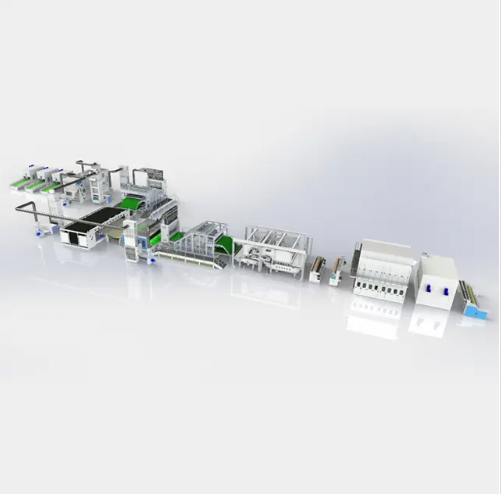
Nonwoven companies are embracing sustainable manufacturing processes to minimize waste and reduce their carbon footprint. For example, Freudenberg is investing in circular production techniques by using recycled PET fibers in its products. Similarly, Suominen Corporation is making strides in the recycling of nonwoven materials for use in new applications.
Leading companies like Kimberly-Clark and Ahlstrom-Munksjö are developing sustainable product lines that use renewable and biodegradable fibers. This includes the use of eco-friendly packaging, sustainable cotton, and recycled polyester in their nonwoven products. These efforts are crucial in helping reduce the environmental impact of nonwoven materials, especially in the hygiene and medical sectors.
The use of smart manufacturing and automation is driving efficiency and reducing waste in nonwoven production. Companies like Berry Global are investing in Reicofil 5 spunmelt lines, which enhance product softness, sustainability, and barrier properties for hygiene applications. Additionally, artificial intelligence (AI) and data analytics are being used to optimize manufacturing processes, reducing costs and improving product quality.
Global geopolitical uncertainties, such as trade wars and inflation, are challenging nonwoven companies. These risks affect supply chains, raw material availability, and costs, making it difficult for companies to maintain profitability. Freudenberg, for example, has faced challenges in its building materials segment due to market instability.
While there is an increasing demand for sustainable nonwoven materials, the high cost of these materials presents a significant challenge for manufacturers. Companies must balance the rising costs of eco-friendly fibers with the need to stay competitive in a price-sensitive market.
The nonwoven market is increasingly competitive, with established players like DuPont and Berry Global continuously innovating to stay ahead. Strategic mergers and acquisitions, such as Berry Global’s merger with Glatfelter, are becoming common as companies aim to strengthen their global footprint and expand their product portfolios.
Asia-Pacific is a rapidly growing market for nonwoven products, particularly in countries like China and India, where industrialization and urbanization are driving demand. Freudenberg and Ahlstrom-Munksjö are expanding their manufacturing capabilities in these regions to capitalize on the growing demand for nonwovens in healthcare, hygiene, and automotive industries.
The transition to electric vehicles and the demand for renewable energy solutions are creating new opportunities for nonwoven materials. Nonwoven fabrics are used in battery separators, thermal insulation, and filtration systems for electric vehicles and renewable energy applications.
Nonwoven companies are making strategic investments to expand their global footprint. Freudenberg’s new facility in Vietnam and Ahlstrom-Munksjö’s expansion in Brazil are examples of companies strengthening their presence in key global markets.
The largest nonwoven companies are at the forefront of sustainability and technological innovation. Leaders like Kimberly-Clark and Freudenberg meet the growing demand for nonwoven materials in various industries. Sustainability and technological advancements will continue driving the industry’s evolution. Companies, such as Weicheng, offer high-quality products, focusing on eco-friendly production. Their nonwoven products provide excellent performance and value across sectors like hygiene and automotive.
A: Nonwoven companies specialize in producing fabrics made by bonding fibers together using methods like spunbond or meltblown. These fabrics are used in industries like healthcare, automotive, and personal care.
A: Nonwoven companies produce a wide range of products, including hygiene products, medical supplies, automotive components, and construction materials, all made from durable and lightweight nonwoven fabrics.
A: Nonwoven companies are crucial in healthcare, providing materials for surgical masks, gowns, and wound care dressings. Their products are essential for hygiene, comfort, and protection.
A: Many nonwoven companies are focused on sustainable production methods, such as using renewable fibers and recycling materials, helping to reduce waste and carbon footprints.
A: Products from nonwoven companies offer advantages like high absorbency, durability, and versatility, making them ideal for applications in healthcare, hygiene, and industrial sectors.
A: Nonwoven companies are innovating by adopting advanced technologies, such as smart manufacturing and automation, to improve product performance and efficiency.
A: Leading nonwoven companies include Kimberly-Clark, Freudenberg, and Berry Global, known for their contributions to various industries like hygiene, automotive, and healthcare.
A: Partnering with nonwoven companies offers access to high-quality, sustainable products that meet the growing demand for nonwoven materials in diverse industries.